Blog
The Power of Data in Modern Proposal Management
Data is a vital asset, fundamentally shaping how organizations make strategic decisions and optimize operations. According to Gartner, over 60% of decision-makers believe companies that fail to leverage data effectively will struggle to remain competitive. Additionally, Accenture finds that organizations prioritizing data accessibility for decision-making achieve up to twice the productivity, underscoring the critical role of well-managed, accessible data in driving success.
For proposal teams, however, effectively leveraging data can be challenging due to issues with unstructured or inaccessible information. Tasked with producing high-quality, compliant proposals under tight deadlines, these teams need quick access to relevant data and seamless usability across systems to meet demands efficiently and accurately.
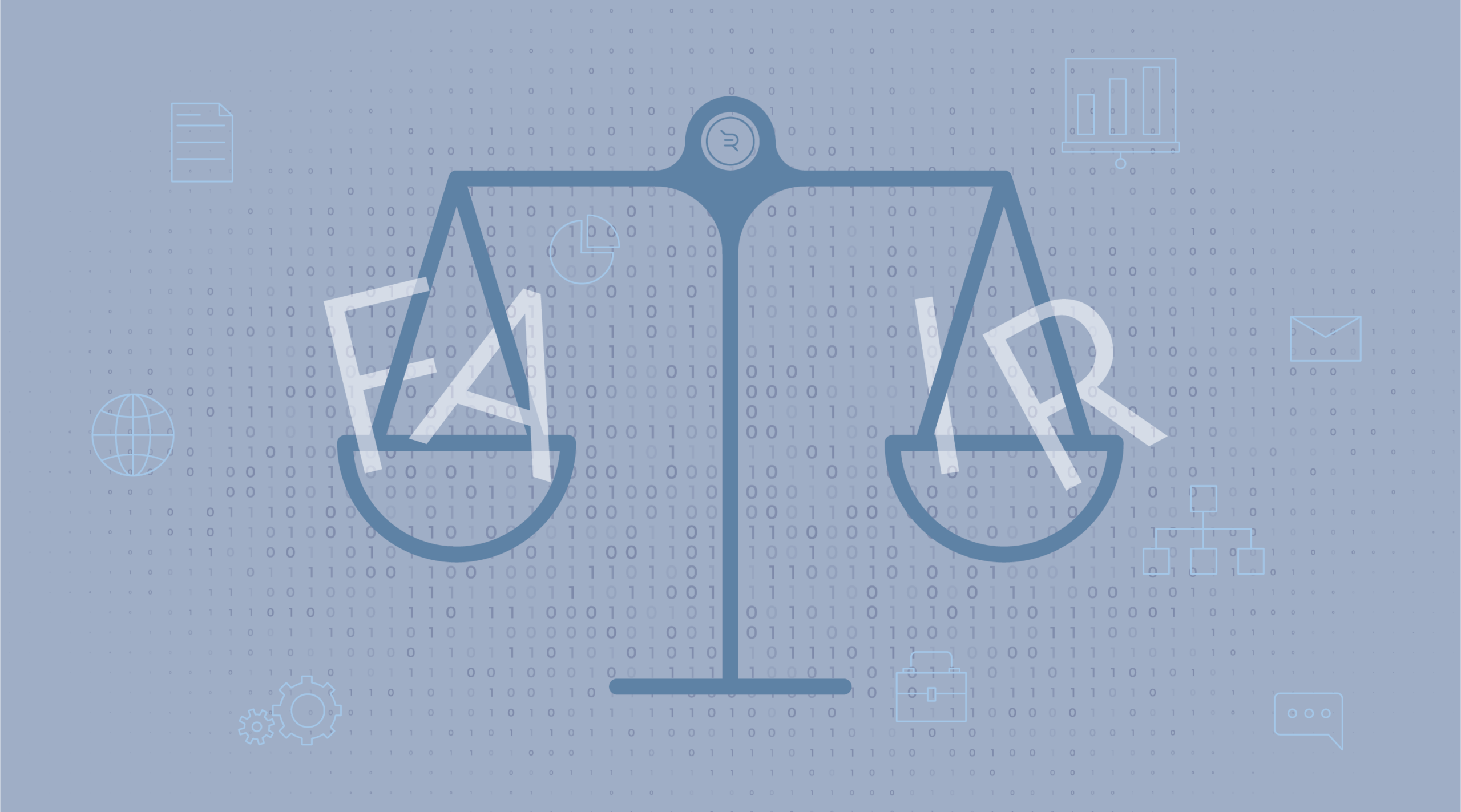
This is where the concept of Data FAIRness comes in — a framework for maximizing data utility by making it Findable, Accessible, Interoperable, and Reusable (FAIR). By adopting these principles, proposal teams can transform their data into a competitive advantage, unlocking value that drives efficiency and quality in proposal management.
What is Data FAIRness?
The FAIR principles were developed to help organizations manage data in ways that maximize its potential. Here’s a quick breakdown of each pillar and its relevance to proposal management:
The FAIR principles ensure that data can serve as a reliable, accessible foundation for making strategic decisions and improving operational efficiency.
Applying FAIR Principles to Proposal Management
Findable Data: In proposal management, time is of the essence. When team members can quickly locate relevant information, they can spend less time searching for past materials and more time crafting high-quality proposals. Implementing structured data storage, including tagging systems and searchable archives, allows proposal teams to locate valuable content instantly.
Accessible Data: Proposals often involve cross-functional collaboration, with input required from multiple stakeholders. Ensuring data is accessible to all relevant contributors streamlines workflows and reduces bottlenecks. Accessible data means team members aren’t stalled by restricted access, and everyone is empowered to contribute effectively.
Interoperable Data: Many organizations use several platforms and tools throughout the proposal process. Interoperability allows data to flow smoothly between these systems, eliminating silos and enabling a cohesive view of information. For example, proposal data stored in a CRM system should be easily integrated with other tools, allowing teams to leverage insights from multiple sources.
Reusable Data: Consistent, reusable data allows proposal teams to capitalize on work that’s already been done. For frequently requested information — such as company history, case studies, or standard compliance responses — having reusable content saves time and ensures quality across proposals. By establishing reusable templates and libraries, teams can avoid the time drain of recreating content from scratch.
Benefits of FAIR Data in Proposal Management
By embedding the FAIR principles into proposal management practices, organizations can unlock several key benefits:
Implementing FAIR Data Practices in Proposal Management Systems
Adopting FAIR data practices doesn’t have to be complex, but it does require intentionality and the right tools. RohanRFP, developed by Rohirrim, is specifically designed to support FAIR data principles in proposal management, enabling organizations to maximize the value of their data with streamlined workflows and enhanced compliance. Here are a few steps that organizations can take, leveraging RohanRFP to make FAIR data practices a reality:
The Future of Proposal Management with FAIR Data
Looking ahead, the FAIR principles provide a foundation for future advancements in proposal management, and RohanRFP by Rohirrim is at the forefront of this transformation. As data continues to grow in complexity and volume, businesses that embrace FAIR practices with tools like RohanRFP, will be better positioned to remain competitive and responsive.
Emerging technologies such as AI and machine learning, embedded within platforms like RohanRFP, will further support FAIR data practices by automating data organization, retrieval, and analysis. By harnessing AI, RohanRFP enables proposal teams to move beyond manual data sorting, helping them focus on strategic aspects of proposal development, like tailoring responses to client needs and crafting compelling narratives.
The era of Data FAIRness promises to redefine how businesses manage their most valuable asset: information. With RohanRFP, organizations can ensure their data is not only findable, accessible, interoperable, and reusable but also strategically aligned with the demands of modern proposal management. As a result, companies can unlock new efficiencies, reduce compliance risks, and make informed, data-driven decisions that drive success in a competitive landscape.
To learn more about how Rohirrim and RohanRFP can help your organization leverage Data FAIRness for competitive advantage, reach out to us today.